Table of Contents Show
The European Commission has issued 11 EU Member States a formal notice for not complying with the first deadline of the Sixth Anti-Money Laundering Directive (6AMLD). The missing piece? Full public access to beneficial ownership registers.
Countries on the list: Belgium, Croatia, Cyprus, Denmark, Estonia, Germany, Greece, Italy, Poland, Slovakia and Sweden.
Why Beneficial Ownership Registers Matter
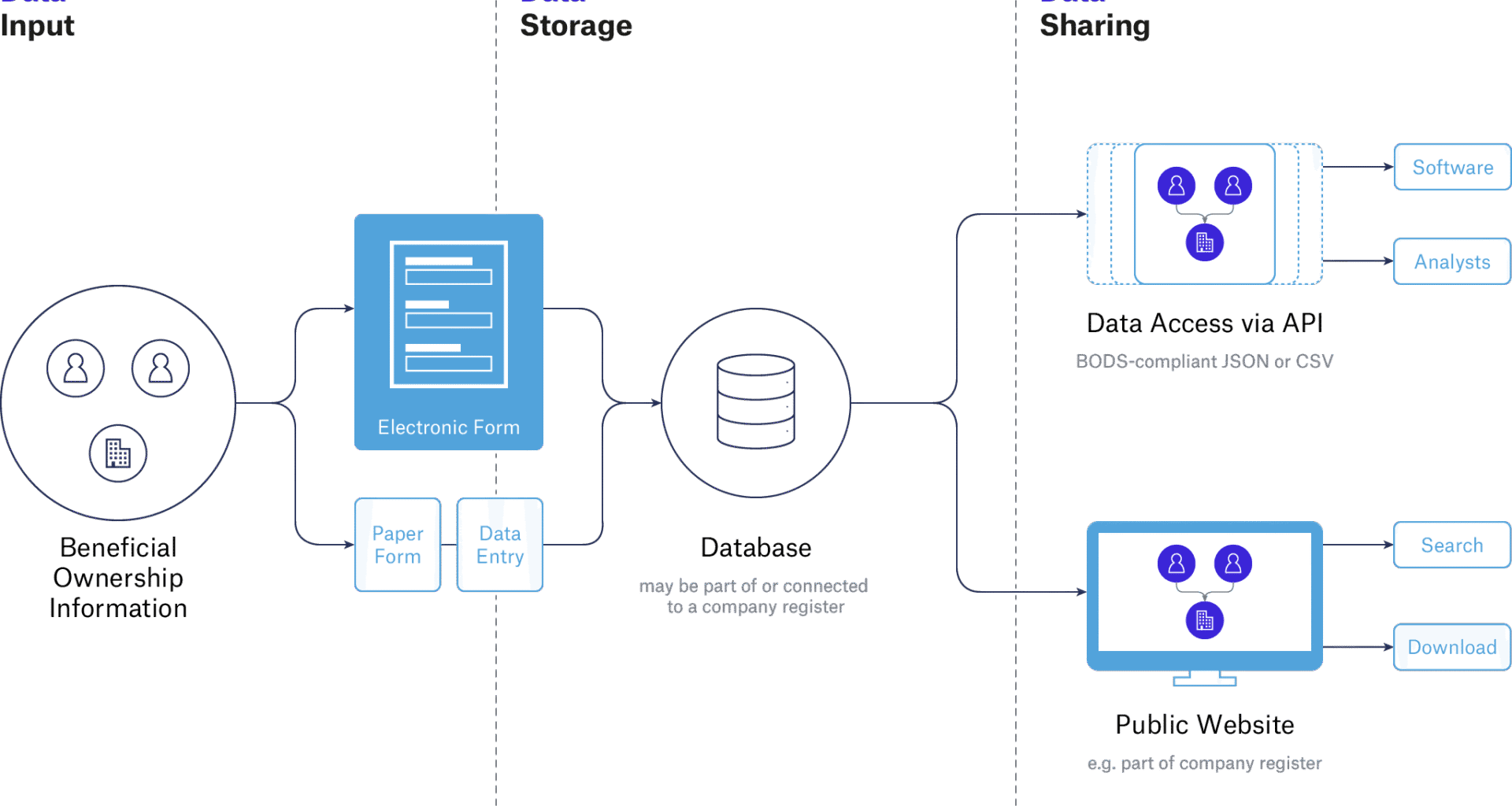
Beneficial ownership (BO) registers are meant to shine light on who really controls companies, trusts and other legal entities. Without them, shell structures remain easy vehicles for money laundering, sanctions evasion and tax crime.
Under 6AMLD, the registers must offer:
- Immediate and direct access
- Unfiltered and free searches
- Coverage of current records and at least five years of history
- Access for anyone with a “legitimate interest”—journalists, NGOs, competent authorities, supervisors
The EU’s intention was clear: transparency strong enough to pierce layers of nominees and front companies.
The Deadline That Slipped
Member States had until 10 July 2025 to bring this part of the Directive into national law. Yet none of the 11 named countries have done so.
That is the established two-stage procedure. But the Commission warned that the risks of inaction are high. Partial or incomplete implementation could leave gaps across the bloc’s financial system.
The Enforcement Process in Motion
The Commission is now sending letters of formal notice to the 11 Member States. They have two months to explain how they intend to comply. If they fail to respond adequately, the Commission can escalate to a reasoned opinion—the last step before referral to the European Court of Justice.
This staged approach is common in EU law enforcement, but the Commission stressed the stakes: partial implementation risks leaving vulnerabilities across the bloc’s financial system.
The Debate Over “Legitimate Interest”
One big point of contention: how to determine legitimate interest. Civil society groups want open access, but some governments have expressed a desire for tighter restrictions on legitimate interest. Privacy and data protection are often cited as justifications for more restrictive interpretations. 6AMLD tried to address this tension by providing a list of categories, such as journalists, NGOs and regulators. However, the devil is in the detail, as the debate continues.
Until a common understanding between Member States, the very principle of interconnected EU registers remains on shaky ground.
Why This Matters for Compliance Teams
For financial institutions, the delay is more than a political story. It complicates Know Your Customer (KYC) and Anti-Money Laundering (AML) checks across borders. When BO data is incomplete or inconsistently available, firms face:
- Longer onboarding times for cross-border clients
- Higher reliance on costly third-party data vendors
- Regulatory uncertainty if national supervisors interpret “legitimate interest” differently
See our deep dive on how KYC & AML teams use OSINT for beneficial ownership checks for practical workarounds until the registers are consistent.
Looking Ahead
The Commission has made clear that beneficial ownership transparency is non-negotiable. The interconnected EU-wide register is intended to be one of the centrepieces of the AML framework by 2027.
For now, compliance officers should:
- Track developments in these 11 countries closely
- Document extra due diligence steps taken in their absence
- Prepare for a patchwork landscape—some Member States with full registers, others still catching up
Transparency delayed is not transparency denied, but the gap matters. Every missed deadline extends the window for shell companies and opaque trusts to keep moving funds under the radar.
👉 Explore related analysis: Best AML software providers